Welcome
Water research at KIT covers a wide range of water sciences and engineering fields such as Hydrogeology, Hydrology, Aquatic Ecology, Fluid-Mechanics, Hydraulic Engineering, and Water Chemistry and Water Technology. Our research aims at an improved understanding of the role of the water cycle and related transport of matter for the functioning of environmental systems. We focus on the synthesis and implementation of foresightful and sustainable water resources management concepts and related technology.
In teaching, water plays also an important role: Several bachelor's and master's degree programs with a strong link to water are offered at KIT.
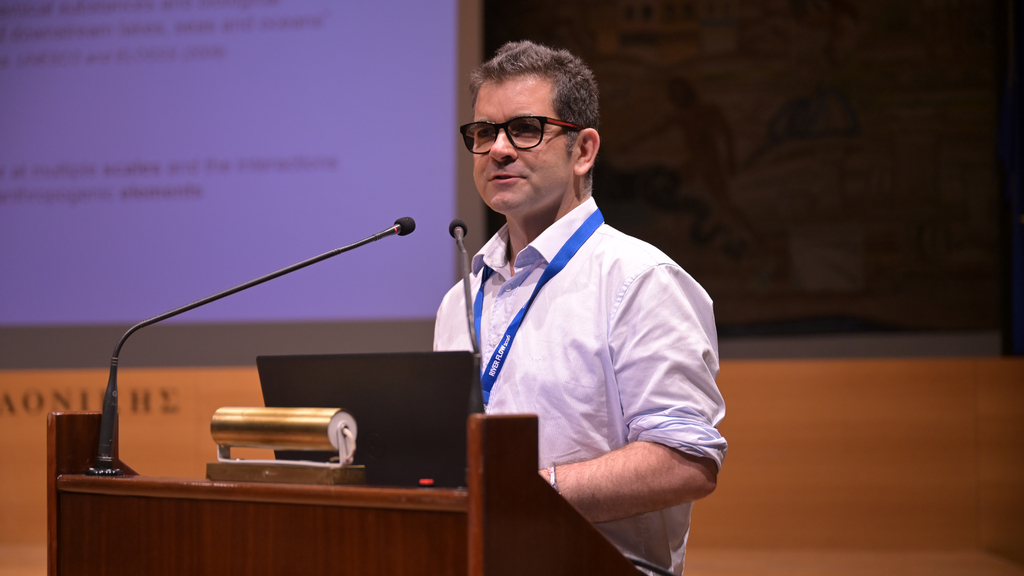
In his lecture 'It Takes a Nation of Processes to Forge a River' Mário Franca presented rivers as dynamic systems shaped by the interaction of hydrological, geomorphological, ecological, and human processes. Four research lines focusing on transport and transformation processes related to floodplain forests, wood, sediments, and landscape hazards were discussed, highlighting their implications for river management, restoration, and sustainability. Using examples from his own research, Mário Franca concluded by discussing how the gap between scientific knowledge and practical action can be bridged in the face of societal paralysis that often hinders implementation.
more
This key question was at the heart of a stakeholder workshop organized by the HydroExtremes project as part of the Helmholtz Earth and Environment Forum. Held in Berlin on 14–15 April 2026, the workshop brought together representatives from policy, academia, and practice to discuss the challenges posed by hydrometeorological extreme events and effective strategies for addressing them. The HydroExtremes project is coordinated by the Karlsruhe Institute of Technology (KIT) and carried out in collaboration with several other research centers of the Helmholtz Association.
more
Membranes with nanometer-sized pores can filter the herbicide glyphosate and its metabolite AMPA out of water. The success of the process not only depends on the size and charge of the molecules, but also on their hydration: The thicker their hydration shell, the harder it is for them to pass through the membrane. These findings made by researchers at KIT will help further improve nanofiltration in order to provide people worldwide with clean water.
more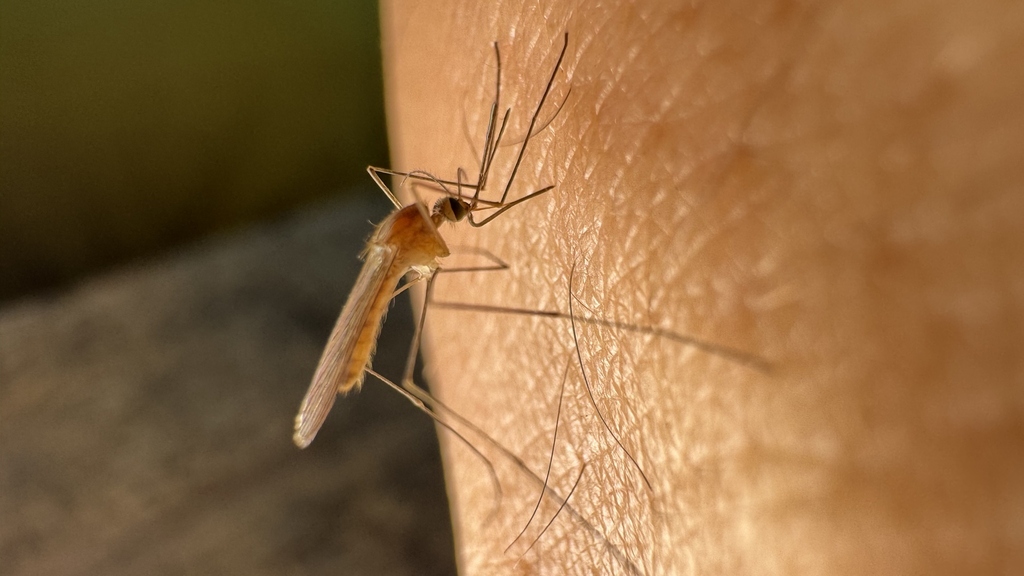
In many parts of East Africa, small pools of water that form after heavy rainfall are ideal breeding sites for the Anopheles mosquitoes that transmit malaria. Researchers at KIT have analyzed how such environmental conditions affect the effectiveness of mosquito nets. They combined high-resolution climate and hydrology models with malaria data from Kenya to enable better assessments of when and where the nets are especially effective at preventing infections.
moreMaster's Programme 'Water Science and Engineering'
The deadline for applications for the winter semester 2026-27 is 15th June 2026!
Link